Gulf Stream, Florida · 33483
Estate Landscaping in Gulf Stream
A town that has kept its 1920s restraint, where tree removal, major landscape work and new planting all pass through Town review.
Request a Property AssessmentGulf Stream grew out of a Phipps family venture that began buying land on both sides of the Intracoastal in 1922, with a golf course, polo fields and seasonal homes in mind. The Gulf Stream Golf Club followed in 1924, with a Donald Ross course and an Addison Mizner clubhouse, and the Town was chartered in 1925. The founding idea was understated elegance, and the Town still guards it through design guidelines administered by its Architectural Review and Planning Board.
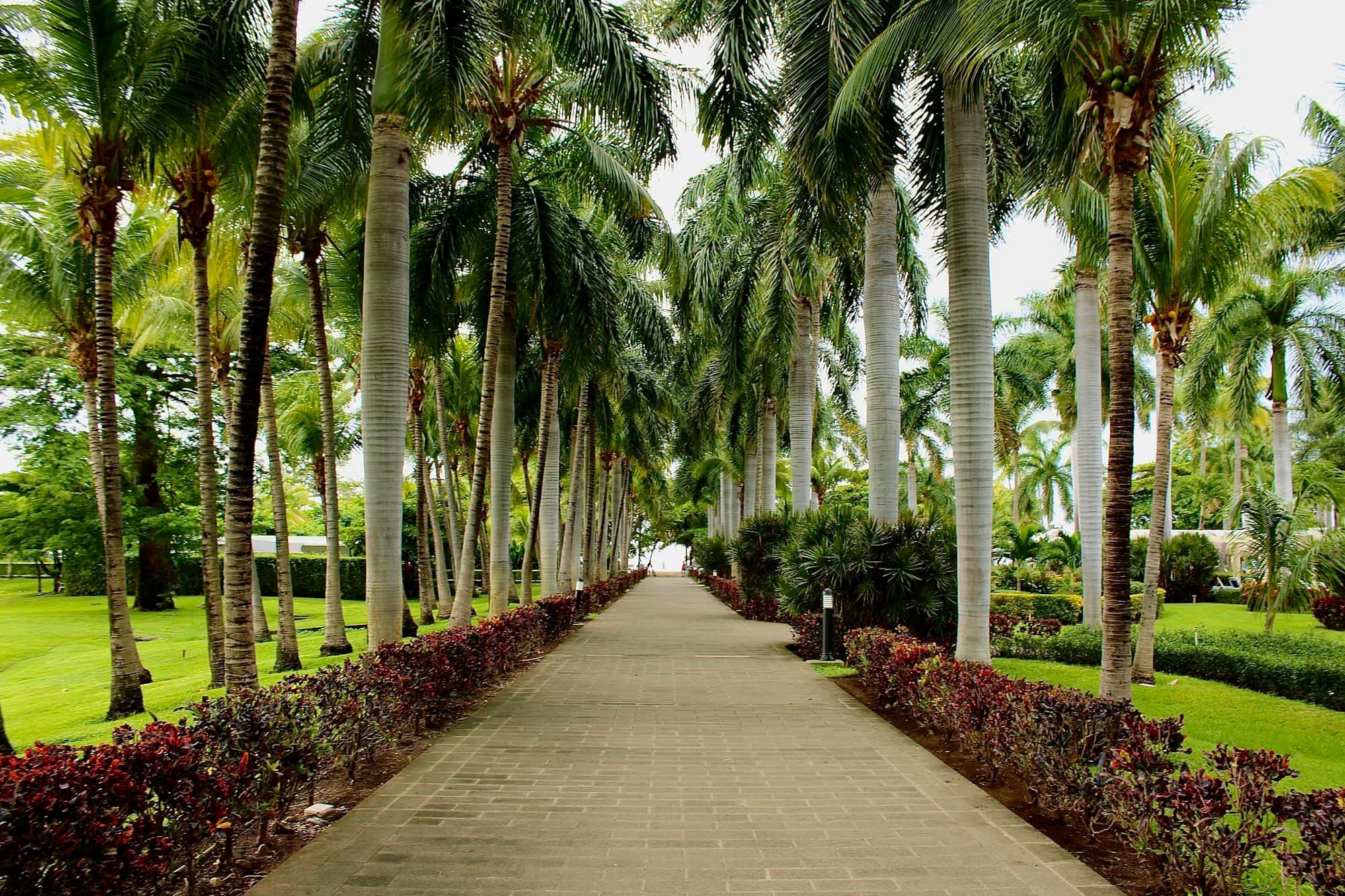
For landscape work, that history has practical weight. The Town requires a pre-application meeting with the Town Manager and staff before major landscape work, and the scale of a planting change decides which body reviews it. Partner crews working in Gulf Stream plan for that sequence: document existing trees, settle the review level early, and design plantings that read as quiet and established rather than new. The canopy along A1A sets the tone for the whole town.
The properties
Gulf Stream covers less than a square mile, with 954 residents at the 2020 census. Lots run from oceanfront parcels on A1A, some sold as early as 1923, to homes near the golf club and along the Intracoastal. Several 1920s houses by Palm Beach architects survive largely unchanged beside larger postwar residences. Oceanfront lots carry salt spray and dune vegetation rules; inland lots carry mature trees whose removal can trigger review. Both reward careful, incremental care over wholesale replanting.
On the ground
What landscapes in Gulf Stream contend with
Salt spray on the ocean side
UF/IFAS advises that plants installed within about an eighth of a mile of a saltwater coast should be at least somewhat salt tolerant, and much of Gulf Stream sits inside that band. Programs on the ocean side favor proven coastal material such as seagrape, silver buttonwood and gumbo-limbo for the exposed face, reserve tender ornamentals for courtyards and the lee of the house, and rinse and inspect foliage after onshore wind events.
Australian pine near the house
The Town values its Australian pine canopy along A1A, yet UF/IFAS classifies Casuarina equisetifolia as a Category I invasive and notes its very low wind resistance, recommending replacement where it stands near a home. On private lots this calls for a careful conversation: which trees sit near structures, how replacement fits the Town's tree removal rules, and what native canopy will take their place.
Dune plants seaward of the control line
On oceanfront lots, native dune plants seaward of the state Coastal Construction Control Line cannot be cut or damaged without a DEP permit. Seagrape tolerates heavy pruning, but cutting beyond accepted horticultural practice counts as damage. Crews separate ornamental plantings, which can be maintained without a permit, from native dune vegetation, and follow DEP's dune plant maintenance guidelines on the latter.
Ganoderma in established palms
Older Gulf Stream properties often carry palms planted decades ago, and Ganoderma butt rot can take any of them. The fungus decays the lowest four to five feet of trunk, often without visible conks until late, and nothing cures it. Because removing a palm here may involve Town review, crews flag basal conks early so the owner can plan replacement and approval together.
Local rules
What Gulf Stream requires
Summaries for planning. The linked source is the authority; rules change.
Pre-application meeting for major landscape work
Before exterior changes to a home, major landscape work or other property improvements, Gulf Stream requires a pre-application meeting with the Town Manager and staff. Plans are presented, and the meeting determines the review level and the submittal materials needed. A landscape project that skips this step risks redesign later, so partner crews treat it as the first milestone on the schedule.
SourceARPB review for tree removal
Removing more than two trees over eight inches in caliper, or removing trees without replacement, is a Level 2 item decided by the Architectural Review and Planning Board, which meets monthly at Town Hall. Clearing more than half of a site's vegetation is Level 3 and goes to the Town Commission after ARPB and staff recommendations. Tree surveys and replacement plans belong at the front of any renovation.
Source
Services in Gulf Stream
- Estate Landscape MaintenanceMaintenance for Gulf Stream properties
- Landscape Design & InstallationDesign for Gulf Stream properties
- IrrigationIrrigation for Gulf Stream properties
- Tree & Palm CareTrees & Palms for Gulf Stream properties
- Outdoor LightingLighting for Gulf Stream properties
- Sod, Hedges & Privacy ScreeningSod & Hedges for Gulf Stream properties
- Seasonal ColorSeasonal Color for Gulf Stream properties
- HOA & Property ManagementHOA for Gulf Stream properties
Landscaping in Gulf Stream: questions
Do I need Town approval to remove trees in Gulf Stream?
Often, yes. Removing more than two trees over eight inches in caliper, or removing trees without replacing them, is a Level 2 review before the Architectural Review and Planning Board. Clearing more than half of a site's vegetation goes to the Town Commission. A pre-application meeting with Town staff settles which level applies before work begins.
Why does Gulf Stream protect Australian pines when they are invasive?
The pines along A1A were planted as a windbreak in the early days of the coastal road, and the Town describes its stretch as the only place the canopy remains, maintaining a stand of more than 300 trees. On private property, UF/IFAS guidance about the species' low wind resistance near homes still applies, so owners weigh both before any change.
Can my seagrapes on the dune be trimmed?
They can, within limits. Seaward of the Coastal Construction Control Line, native dune plants are protected by state law and cutting them beyond accepted horticultural practice requires a DEP permit. Seagrape tolerates heavy pruning, and DEP publishes maintenance guidelines that describe acceptable work. Ornamental plantings on the same lot do not need a CCCL permit.
Nearby estate towns
Sources for this page
- Phipps family venture bought land on both sides of the Intracoastal from 1922; golf club founded March 1924, Donald Ross course, opened 1925; Mizner clubhouse; charter sought 1925; understated elegance; design guidelines administered by ARPB: www.gulf-stream.org
- Australian pines planted along A1A; Gulf Stream is the only stretch where the canopy remains; Town maintains a stand of more than 300 pines; Town Hall 100 Sea Road, Gulf Stream FL 33483: www.gulf-stream.org
- Pre-application meeting required before major landscape work; review Levels 1-3; tree removal over two trees >8 in caliper is Level 2 ARPB; clearing >50% vegetation is Level 3; ARPB meets monthly at Town Hall: www.gulf-stream.org
- Incorporated 1925; 0.90 sq mi; 2020 population 954: en.wikipedia.org
- Plants within about one-eighth mile of salt water should be salt tolerant; seagrape, silver buttonwood, gumbo-limbo listed: gardeningsolutions.ifas.ufl.edu
- Australian pine is a Category I invasive with very low wind resistance; replace near homes: edis.ifas.ufl.edu
- Native dune plants seaward of CCCL cannot be damaged without DEP permit; seagrape tolerant of heavy pruning; ornamental maintenance exempt: floridadep.gov
- Ganoderma butt rot facts: ask.ifas.ufl.edu
Property assessment
Request an assessment in Gulf Stream
- 01Tell us about the propertyTown, property type and what you'd like looked after. Two minutes.
- 02A partner walks the groundsTurf, beds, palms, irrigation and drainage, with you, your manager or staff.
- 03You receive a written programScope, visit schedule and price in writing, before any work begins.
Prefer to talk it through? (561) 319-1104