Service
Landscape Design & Installation
Plans drawn for this climate: the right plant in the right place, irrigation laid out with the beds, and drawings ready for review boards.
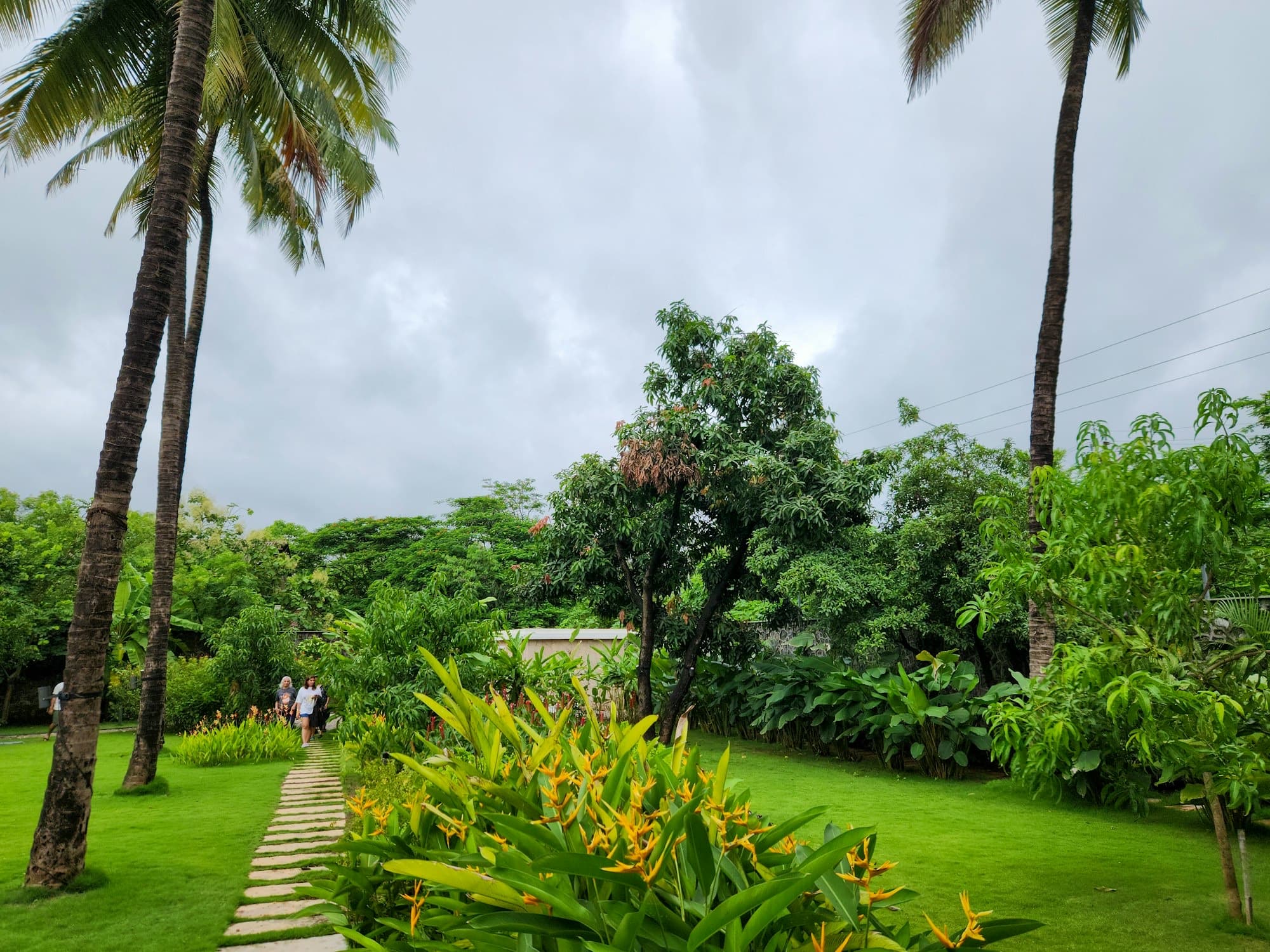
Good design in Palm Beach County starts with conditions, not a plant list. A lot within reach of salt spray, a courtyard in deep shade, a west-facing pool deck that bakes all afternoon and a low corner that holds water after a storm each call for different plants. The design process begins with a site walk that records sun, exposure, drainage, existing trees and palms, and what the owner wants the property to feel like.
From there, a plan sets beds, plant material, spacing at mature size, hardscape edges, irrigation zones and lighting locations in one drawing. Planning them together avoids the common faults of installed gardens: shrubs planted where they will outgrow a walk in two years, turf and beds on the same irrigation zone, or uplights aimed into a canopy that has not been planted yet. Installation then follows the approved plan, not improvisation on the day.
In South Florida
Florida-friendly landscaping is protected by statute
Florida Statute 373.185 defines Florida-friendly landscaping around principles such as the right plant in the right place, efficient watering and appropriate fertilization. It also says a deed restriction, covenant or local ordinance may not prohibit an owner from implementing it. For homeowners' associations, section 720.3075 says governing documents may not prohibit it either. Review boards still review plans, so drawings are prepared for submittal.
New plantings get extra watering days
The South Florida Water Management District allows extra irrigation for up to 90 days after new landscaping goes in. Plantings 30 days old or less may be watered six days a week, and plantings 31 to 90 days old four days a week, within the rule's allowed hours. Only the new material may be watered unless it covers at least half of the irrigation zone. Installation plans include that schedule.
Salt spray narrows the plant list
Near the ocean and the Intracoastal, aerosol salt burns many ornamentals. UF/IFAS rates the native pitch apple, Clusia rosea, as highly tolerant of salt spray and suited to seaside screens, for example. Plant choice for coastal lots starts with salt tolerance ratings, then works through sun, size at maturity and maintenance needs.
Summer is planting season for palms
The UF/IFAS South Florida Gardening Calendar names summer as a good time to plant palms and recommends continuing through the rainy season. It advises bracing large palms for six to eight months and never nailing braces into the trunk. Installation schedules are built around those windows and around hurricane season.
Design in Palm Beach County's estate towns
Design: common questions
Can our HOA stop us from using Florida-friendly plants?
Florida law says no. Section 373.185 bars deed restrictions and covenants from prohibiting Florida-friendly landscaping, and section 720.3075 says HOA documents may not prohibit it. Associations can still review plans for appearance and compliance with other rules, so a design is prepared with the drawings and plant lists the architectural committee expects.
How long before a new garden looks finished?
Hedges and shrubs are spaced for their mature size, so beds can look open at first. Turf laid as sod looks complete on installation day but needs weeks of establishment watering. Trees and palms take longer to settle, and large palms are braced for months. The plan sets expectations for each part of the garden before work starts.
Do you work with our architect or landscape architect?
Yes. Where an owner already has a landscape architect's drawings, a partner can price and install to those plans. Where the design is part of the scope, the partner prepares it. In either case, irrigation zones and lighting are coordinated with the planting plan so the three systems work together.
What happens to the existing plants?
The site walk records what is worth keeping. Established specimen trees and healthy palms are often the most valuable thing on a property and can anchor a new design. Declining hedges, plants in the wrong place for their size, and material with disease problems are usually removed. The plan marks each existing plant as keep, relocate or remove.
Property assessment
Begin with a walk-through of the grounds
- 01Tell us about the propertyTown, property type and what you'd like looked after. Two minutes.
- 02A partner walks the groundsTurf, beds, palms, irrigation and drainage, with you, your manager or staff.
- 03You receive a written programScope, visit schedule and price in writing, before any work begins.
Prefer to talk it through? (561) 319-1104